
Packaging Finishes Guide: Foil Stamping, Embossing, UV, Lamination Pros & Cons

When a B2B buyer or consumer holds your product box, their hands judge the brand value long before their eyes read the copy. In custom paper packaging, structural integrity provides the bone, but the surface finish provides the soul.
Choosing the right finish isn’t just about making a box look “pretty.” It directly controls your manufacturing cost, dictates how your packaging survives international shipping friction, and determines your product’s retail price tier.
However, many procurement managers select finishes purely based on a 3D digital rendering, which often leads to expensive production disasters. A finish that looks stunning on a high-end perfume box might completely ruin an eco-friendly kraft mailer.
As a veteran packaging manufacturer, we have put together this definitive guide breaking down the real-world pros, cons, and hidden costs of the five industry-standard packaging finishes.

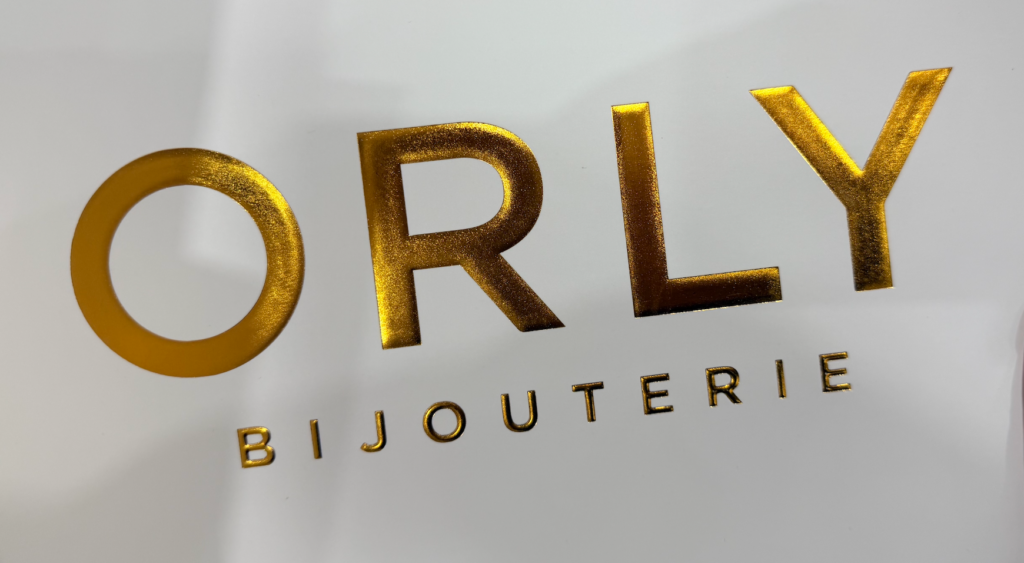
1. Hot Foil Stamping (Gold/Silver/Custom Metallic)
Instead of using regular liquid inks, hot foil stamping uses heat and high pressure to bond a micro-thin layer of metallic foil or pigment ribbon directly onto the paper stock.
HOT FOIL STAMPING AT A GLANCE
- Best For: Luxury cosmetics, premium gift boxes, wine and spirits labels.
- Common Options: Gold, Silver, Rose Gold, Matte Gold, Holographic.
- Cost Profile: Moderate to High (Requires custom metal tooling plates).
The Pros:
- True Metallic Brilliance: Delivers a mirror-like, high-reflectivity shine that regular CMYK silver or gold metallic inks can never replicate.
- High Contrast: Creates an instant premium focal point when stamped onto dark or matte-finished paperboards.
The Cons:
- Upfront Tooling Cost: Every design requires the factory to machine a custom Zinc or Copper plate (mold). If you change your logo by 1mm, a new plate must be paid for and made.
- Not Ideal for Tiny Text: Extremely fine lines or text below 6pt can become muddy or “bleed” together under the high-pressure stamping process.
Factory Pro-Tip:
Copper plates cost more than zinc plates but offer infinitely sharper detail and hold up under massive mass-production runs. If you are ordering over 10,000 custom packaging pieces with intricate patterns, always request copper plate foil stamping to prevent blurred edges.
2. Embossing & Debossing (3D Texturing)
Embossing raises a design above the paper surface, creating a 3D pop-up effect. Debossing does the exact opposite—it presses the design into the stock, creating a premium recessed indentation.
The Pros:
- Tactile Engagement: It forces the buyer to run their fingers over your logo, adding a deep, physical connection to the unboxing sequence.
- Eco-Friendly Premium Touch: “Blind embossing” (embossing without any ink or foil) adds a luxury, minimalist aesthetic without introducing non-recyclable materials.
The Cons:
- Paper Stock Dependent: It does not work on lightweight papers. You need a heavy cardstock—typically above 250gsm—or the paper fibers will snap and crack under the stress of the metal dies.
- Backside Distortion: If you are embossing a single-layer folding carton, remember that a raised pattern on the outside creates a mirrored indentation on the inside.
Factory Pro-Tip:
If you want an embossed logo on a rigid box, we must emboss the art paper wrap first before gluing it to the rigid greyboard. Never try to emboss the box after it’s assembled; the industrial pressure will crush the structural greyboard walls.
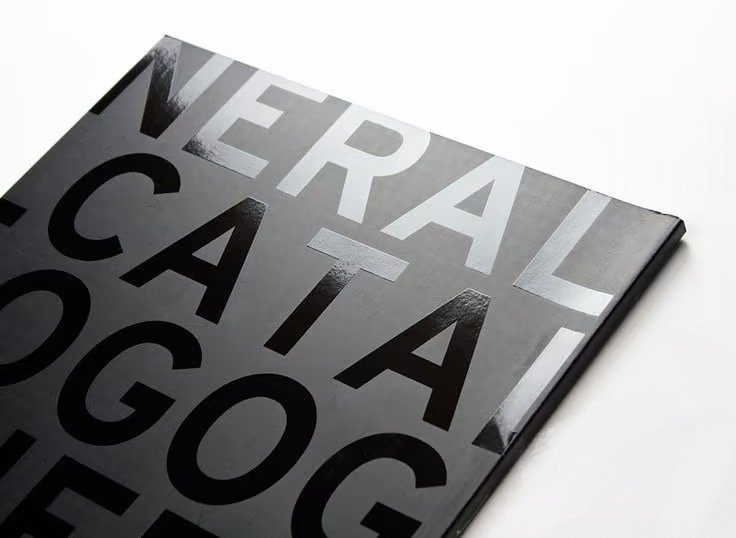
3. Spot UV Coating (Targeted Gloss)
Spot UV involves applying a clear, liquid polymer varnish to targeted areas of your packaging (like a logo or pattern) and instantly curing it using intense ultraviolet light.
The Pros:
- Stunning Visual Contrast: When applied directly over a matte-laminated surface, the glossy Spot UV areas instantly pop, giving a sleek, modern, multi-layered look.
- Cost-Efficient Luxury: It is significantly cheaper than foil stamping for larger graphic areas because it relies on screen-printing setups rather than expensive solid metal blocks.
The Cons:
- Requires Matte Backing: Spot UV is practically invisible on a glossy box. It requires a stark contrasting background—like matte lamination or uncoated dark specialty paper—to work effectively.
- Flaking Risk on Folds: If Spot UV is applied directly over a score line where the paper folds, the hardened polymer layer can crack and flake away over time.
Factory Pro-Tip:
Always keep Spot UV graphics at least 2mm away from any folding creases or structural edges of your box. This guarantees a clean fold without any brittle plastic flaking during assembly or shipping.
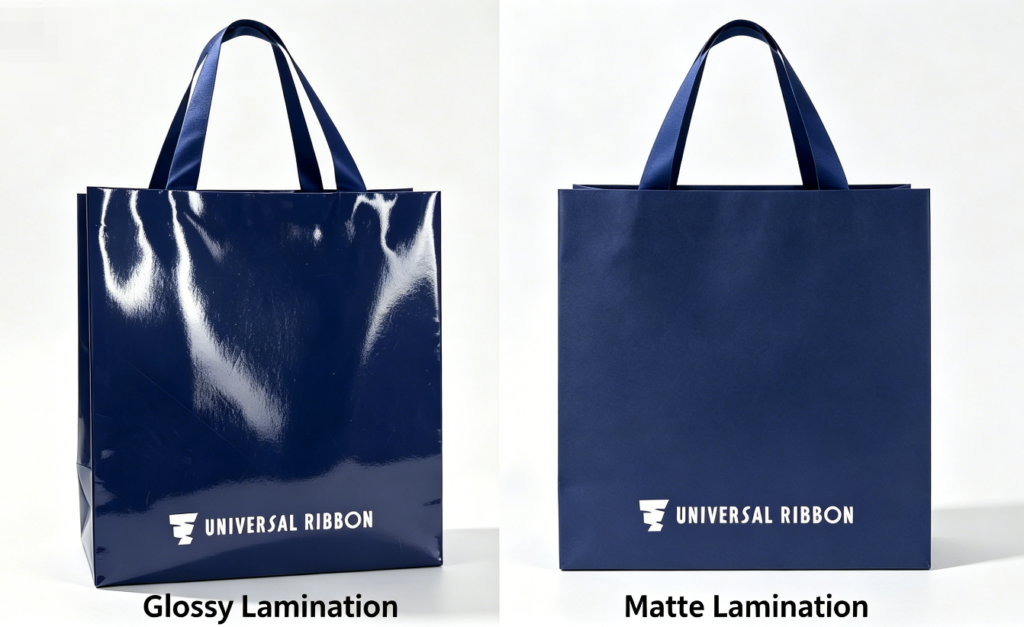
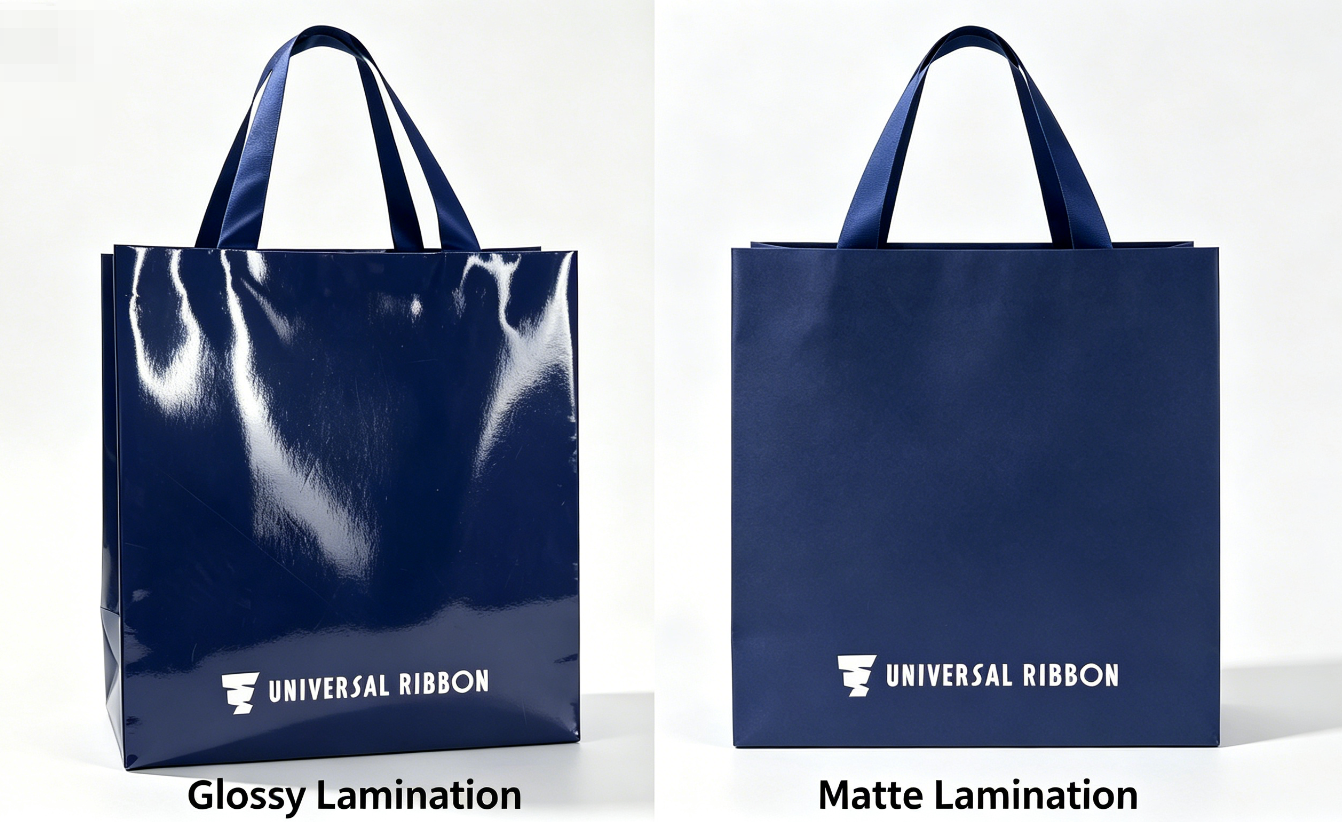
4. Matte vs. Glossy Lamination (The Protective Shield)
Lamination is the baseline surface treatment for almost all printed paper color boxes. It involves bonding a micro-thin plastic film (BOPP) across the entire outer surface of the paper sheet.
| Lamination Type | Visual Effect | Best Used For | Hidden Weakness |
|---|---|---|---|
| Matte Lamination | Soft, non-reflective, elegant and understated. | Premium skincare, tech gadgets, high-end apparel boxes. | Shows fingerprint oils and scuff marks very easily. |
| Glossy Lamination | High-shine, vibrant colors, deeply saturated tones. | Toy packaging, fast-moving retail items, e-commerce mailers. | Can look cheap or overly reflective under harsh retail lights. |
The Pros:
- Structural Waterproofing: While it won’t survive being submerged, lamination protects the raw paperboard from rain drops, ambient humidity, and warehouse moisture.
- Prevents Ink Cracking: When a thick cardstock box is folded at a 90-degree angle, the ink on the fold can crack, exposing ugly white paper fibers underneath. Lamination acts as a flexible shield that keeps the ink completely intact.
The Cons:
- Environmental Hurdle: Because it fuses plastic film to paper, standard laminated boxes are significantly harder to recycle in standard municipal paper streams.
Factory Pro-Tip:
If you are choosing matte lamination for a dark-colored box (such as solid dark blue, deep green, or rich black), regular matte film will look heavily scuffed after long-distance ocean shipping. You must upgrade to Anti-Scratch Matte Lamination. It adds a specialized coating that completely resists fingernail scratches and shipping friction.
5. Soft-Touch Lamination (The Velvet Finish)
Soft-touch lamination uses a specialized matte film that possesses an incredibly unique, velvety, peach-fuzz tactile texture. The moment a customer touches it, they instantly know the product inside is high-end.
The Pros:
- Unrivaled Premium Feel: It feels exactly like premium suede or soft velvet leather. It has zero glare and absorbs light beautifully.
- Fingerprint Resistant: Unlike standard matte lamination, high-quality soft-touch film naturally resists fingerprint oils and smudging.
The Cons:
- Premium Cost: It is roughly 2 to 3 times more expensive than standard matte lamination film.
- Color Muting: The thick velvet texture slightly dampens ultra-bright color palettes, softening sharp details.
Factory Pro-Tip:
Soft-touch lamination works best when paired with Gold Foil Stamping. The absolute contrast between the non-reflective, velvety paper surface and the blinding shine of hot metallic foil creates the ultimate luxury unboxing experience for cosmetics and jewelry.
Can Different Finishes Be Combined?
Absolutely. In fact, the most successful luxury packaging designs rely on contrasting combinations rather than a single finish.
Here are three factory-tested combinations that deliver maximum conversion value:
- The Luxury Contrast: Full-surface Anti-Scratch Matte Lamination + Spot UV over your main text pattern + Hot Gold Foil on your primary brand logo.
- The Minimalist Organic: Uncoated Natural Kraft Paper + Blind Debossing for the central brand mark. (100% Recyclable and highly tactile).
- The High-End Tech: Soft-Touch Velvet Lamination + Silver Foil Stamping for clean, sharp geometric graphics.
FAQ: Quick Finish Troubleshooting
Why did my foil stamping look blurry on my bulk order?
This usually happens if your artwork lines were too thin (below 0.2mm) or if the factory used a cheap, worn-out zinc plate instead of a precision-cut copper die.
Can I apply Spot UV directly onto raw, uncoated Kraft paper?
We advise against it. Raw kraft paper is highly porous and will instantly soak up the liquid UV polymer like a sponge, leaving an uneven, patchy, wet-looking smudge instead of a sharp gloss.
How do I keep my premium black boxes looking clean during shipping?
Always choose Anti-Scratch Matte Lamination. Standard matte lamination will look heavily scuffed and beaten up after rubbing against outer shipping cartons during overseas transport.
Get a Free Finishes & Material Mapping Consultation
Choosing finishes from a computer screen is an uphill battle. If you are preparing a new product launch, don’t gamble on your surface treatments.
Share your product type, target retail price, and design artwork with our engineering team. We will analyze your graphics and recommend the exact material weights and finish combinations that balance manufacturing efficiency with premium shelf performance.
[Contact Our Engineering Team for a Free Packaging Finish Consultation]
I am available 24/7 to support your brand’s growth!