
Custom Paper Accessories: Hang Tags, Greeting Cards, Inserts & Stickers

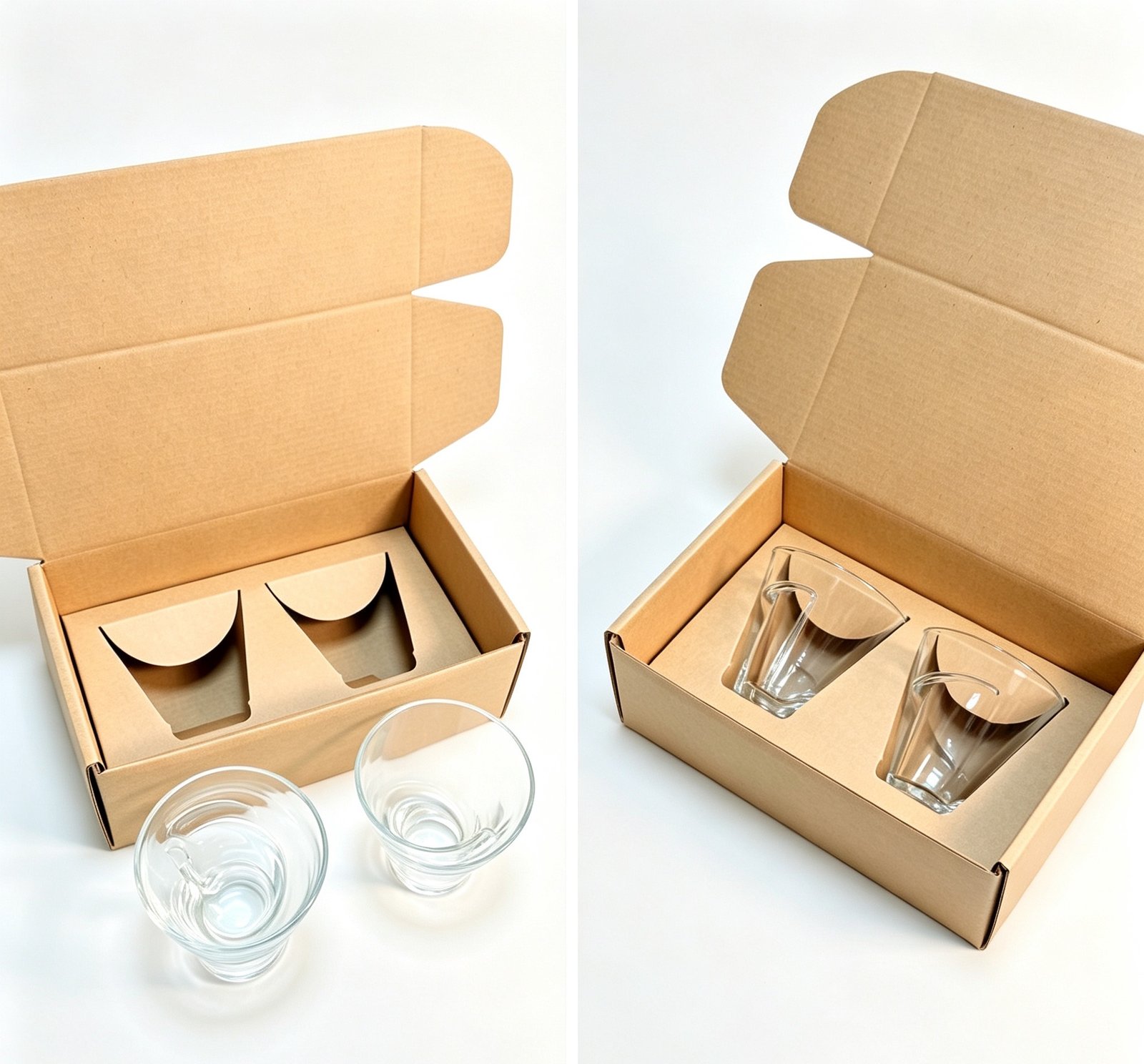
The main box or bag usually gets all the attention during a packaging project. But once that’s decided, most brands still need a handful of smaller pieces to finish the job — a hang tag on the product, a thank-you card inside the box, an insert to keep glass bottles from knocking together in transit, a sticker to seal it all shut. Individually, these are small items. Sourced the wrong way, they can turn into a surprisingly large headache.
This is where a lot of brands run into a problem nobody warns them about upfront: ordering the box from one factory, the hang tags from another, and the stickers from a third means three separate MOQs, three separate proofing rounds, and three separate international shipments — sometimes for a product line where the actual manufacturing cost of these accessories is a fraction of what gets spent coordinating and shipping them separately.
One-Stop Sourcing: The Cost Most Brands Don’t See Coming
It’s worth being direct about this, because it’s usually the biggest hidden cost in a packaging project. Every additional factory in your supply chain adds its own communication overhead — separate email threads, separate proofing rounds, separate quality checks — and its own shipping cost, which for overseas orders often means paying international freight two or three times over for items that could have shipped in the same container.
One-stop sourcing solves this by producing your box, hang tags, inserts, cards, and stickers under one roof, or at least coordinated through one supplier. The accessories ship together with the main packaging, in the same shipment, at the same time. For a small or mid-size brand, this alone can meaningfully change the math on a packaging order — not because any single accessory costs less to make, but because you’re not paying to move five small orders across the ocean separately.
Hang Tags: More Craftsmanship Than Most Brands Expect
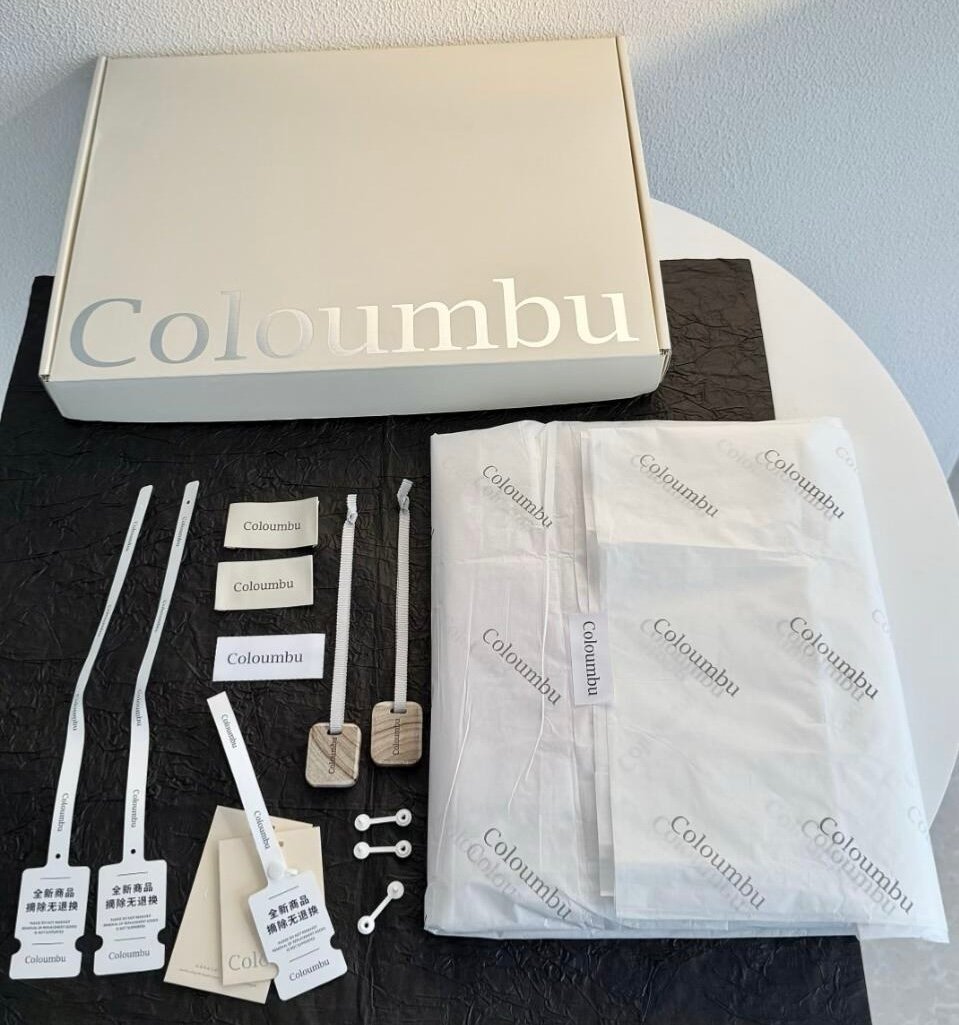
For apparel brands especially, custom hang tags for clothing are one of the first things a customer touches — often before they even try the garment on. A flat, single-layer printed tag does the job, but it doesn’t do much to signal quality on its own.
A layered hang tag changes that. One common construction pairs a sheet of translucent tracing paper with a layer of specialty card underneath — the tracing paper carries a printed design or logo that sits slightly obscured until light passes through it or the two layers are held apart, while the card gives the tag weight and a premium, almost stationery-like feel in the hand. The combination creates a small moment of texture and depth that a single flat tag simply can’t replicate, and it’s a detail that photographs unusually well for product listings and social content.
Beyond the layered construction, hang tags also take well to string or ribbon attachments, die-cut shapes beyond the standard rectangle, and spot finishes like foil stamping on a logo — though it’s worth keeping in mind that a tag is a small canvas, so one or two well-chosen details tend to read better than several competing for attention.

Thank-You Cards and Greeting Cards: Small Paper, Real Weight
Packaging thank you cards are one of the lowest-cost items in a packaging order, and also one of the most consistently mentioned in customer reviews — which makes the return on a well-made card disproportionately high compared to what it costs to produce.
Paper weight does most of the work here. A card in the 300–350gsm range has genuine rigidity and doesn’t feel like an afterthought printed on office paper. Beyond weight, a card can be customized with a brand’s typography and color palette, personalized with a customer’s name for smaller batch orders, or printed with a discount code and social handle on the reverse to turn a simple thank-you into part of a retention strategy. For gifting-focused brands, matching the card stock and finish to a greeting card format — with a fold and an interior message — adds a further layer of occasion to the unboxing.
Inserts: Where Function Meets Cost Efficiency
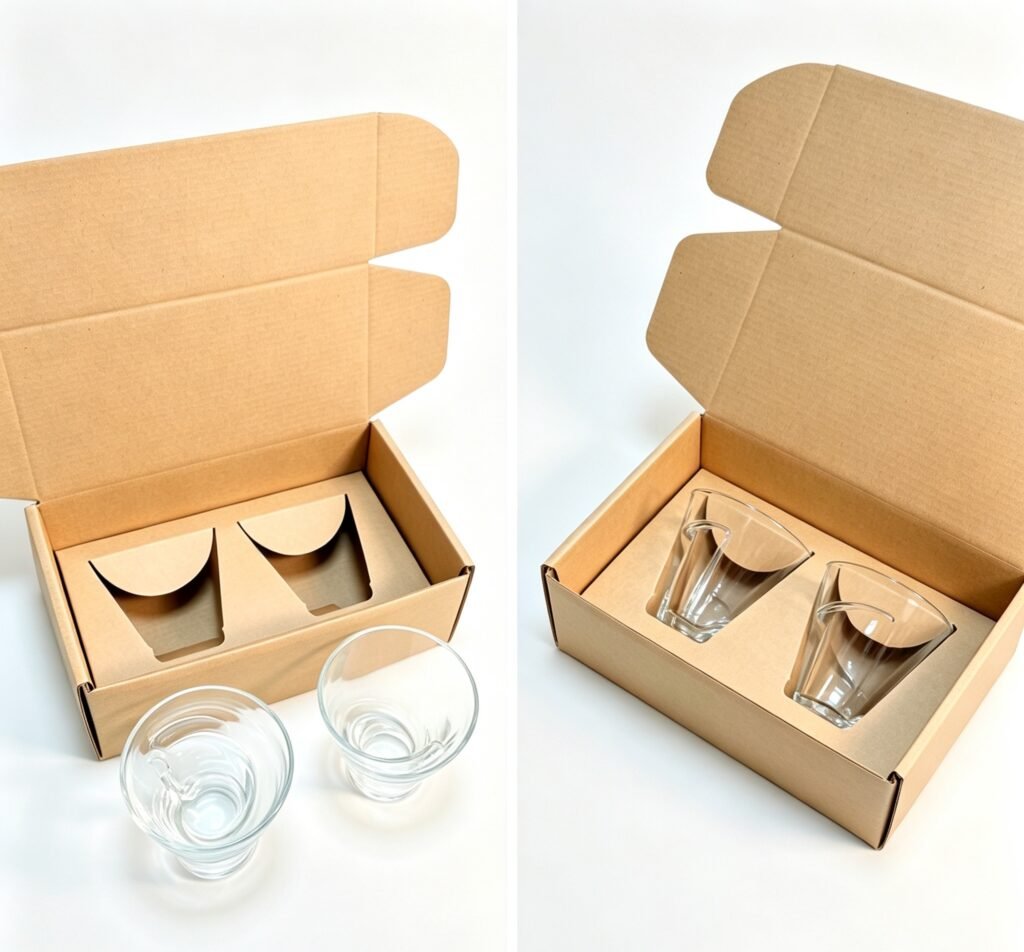
Not every accessory is about visual impact — some exist purely to solve a physical problem, and corrugated partitions are a good example of getting that job done without adding much cost. For wine bottles, glass jars, and other fragile cylindrical items shipped multiple to a box, a grid of corrugated dividers keeps each item isolated from the others, preventing the glass-on-glass contact that causes breakage in transit.
What makes corrugated partitions worth mentioning specifically is the cost-to-performance ratio: the material itself is inexpensive corrugated board, cut and scored into a simple interlocking grid, yet it holds up to real shipping stress remarkably well. For brands shipping bottles or jars at volume, this is usually a far more economical solution than foam inserts or individual bubble sleeves, without giving up meaningful protection.
Stickers: The Smallest Item With the Most Uses
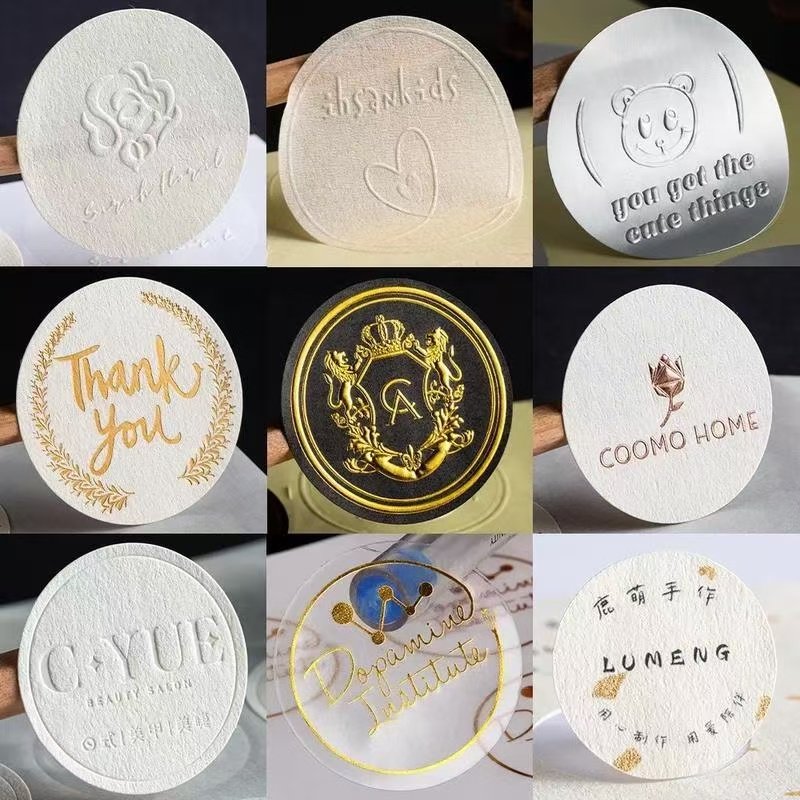
Custom brand stickers show up almost everywhere in a packaging order — sealing a box flap, finishing a tissue paper wrap, decorating a thank-you card, or standing alone as a giveaway item customers stick on laptops and water bottles. Because they’re small and relatively inexpensive to produce, stickers are often where brands test a finish they wouldn’t yet commit to on a full box run — a matte laminate, a spot gloss detail, or a small area of foil on the logo.
Material choice matters more than people expect for stickers specifically. Kraft paper stickers suit a natural, eco-leaning brand aesthetic and seal well onto kraft boxes and bags. Vinyl stickers hold up to moisture and handling better, which matters if the sticker is meant to survive outside the packaging as a giveaway. Matching the sticker’s material and finish to how it’s actually going to be used — sealing a box versus stuck on a customer’s laptop — avoids ordering the wrong spec for the job.
Bringing the Small Pieces Together
None of these accessories are complicated to produce on their own. What actually adds friction is treating them as four separate sourcing projects instead of one. A layered hang tag, a weighted thank-you card, a corrugated insert, and a well-chosen sticker all solve different problems, but a brand ordering all four from the same supplier as their main packaging generally ends up with faster proofing, one shipment instead of several, and a more consistent look across every touchpoint a customer sees.
If you’re putting together a packaging order and trying to work out which accessories are worth including, send over your product details and box design — we can recommend which of these pieces make sense for your specific line and quote them alongside your main packaging as a single, coordinated order.
I am available 24/7 to support your brand’s growth!