
Why Inside-Box Printing is the Secret Weapon for E-commerce Brands

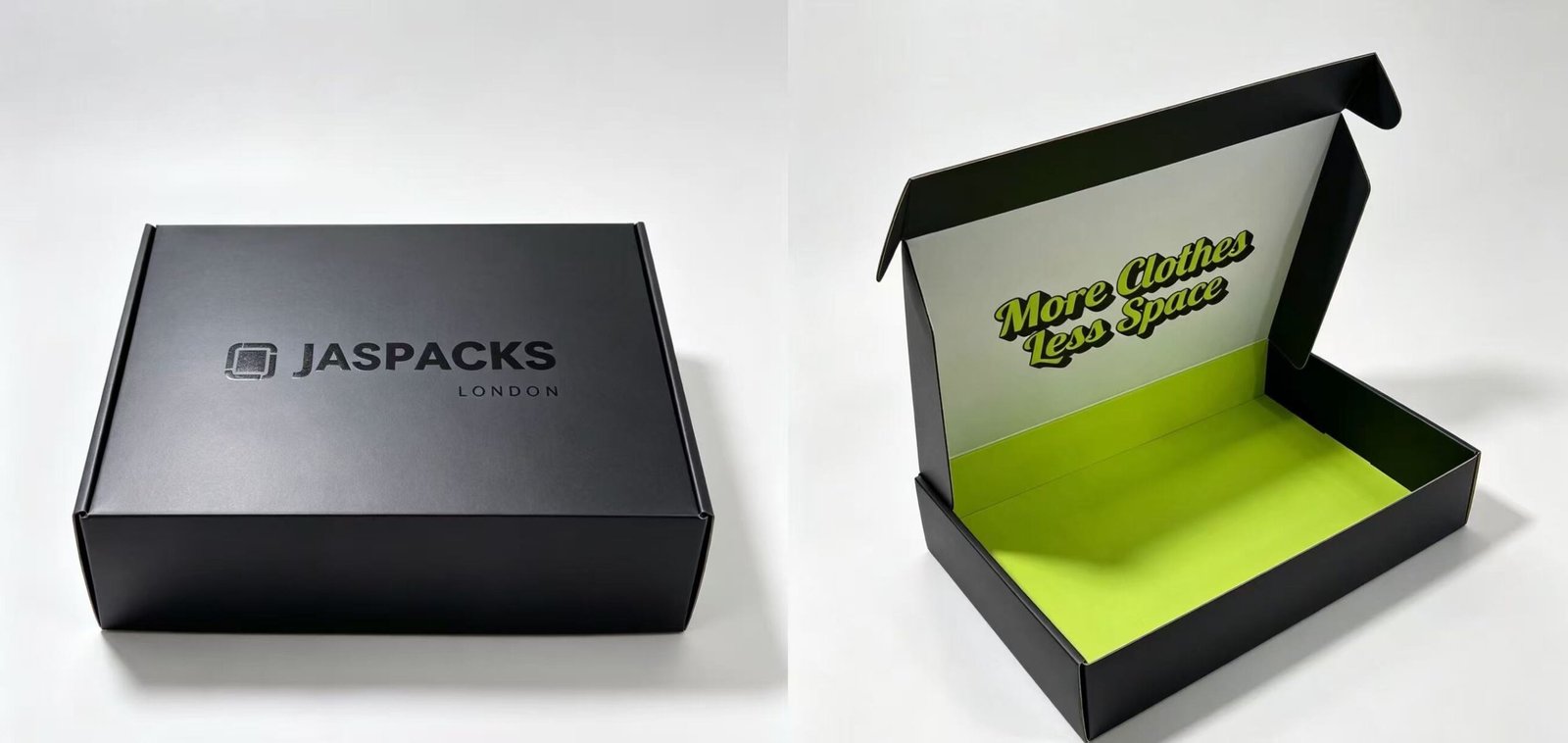
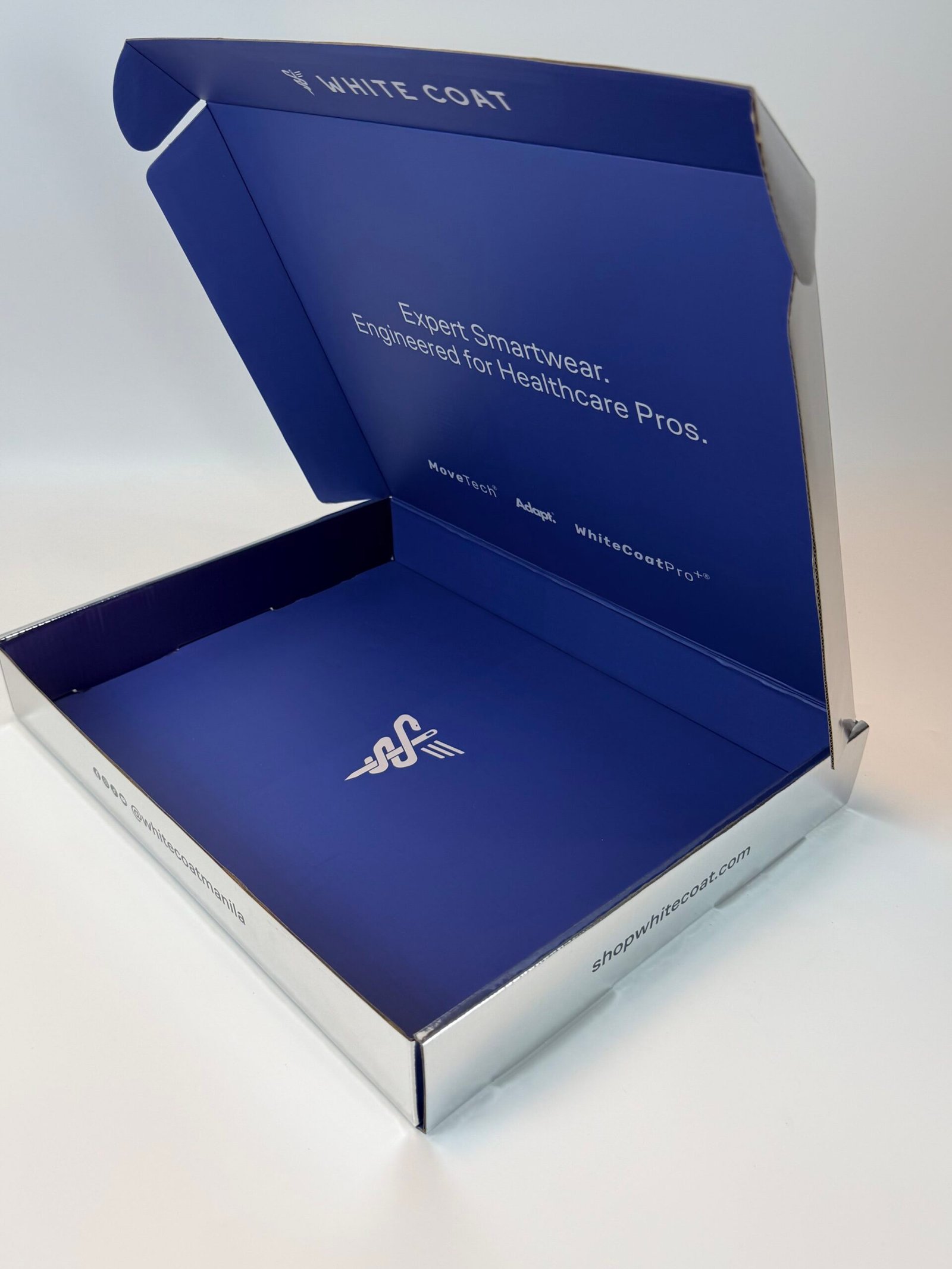
Most brands that have already invested in a custom mailer box focus all their design budget on the outside — the logo, the color, the finish that makes a good first impression on a doorstep. That’s reasonable, but it also means the box looks basically the same the tenth time a customer opens it as it did the first time. If repeat purchase rate is the metric you’re actually trying to move, the outside of the box has already done its job by the time someone’s holding it. What happens next — the moment the lid comes off — is where a second printed surface starts to earn its cost back.
This is the case for inside-box printing, or more specifically, for treating a mailer box as a double-sided printing opportunity rather than a single branded surface.
The Psychology of the Second Surface
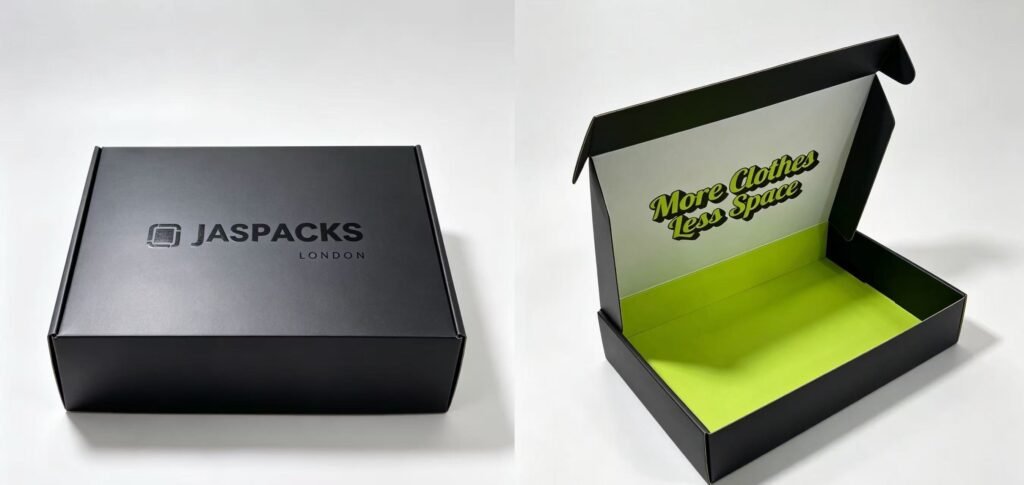
There’s a simple reason interior printing outperforms its cost: customers don’t expect it. A logo on the outside of a box registers as branding — expected, and mentally filtered out fairly quickly. A printed message or graphic on the inside of the lid registers as a discovery, because nothing about the plain (or lightly branded) exterior signaled it was coming.
That gap between expectation and reveal is exactly the mechanism behind “unboxing” content performing well on social platforms in the first place — it’s not really about the product, it’s about the small moment of surprise. A brand that designs specifically for that moment, rather than treating the interior as leftover space, is deliberately building a share-worthy moment into the packaging rather than hoping one happens.
Double-Sided Printing: What Actually Changes in Production
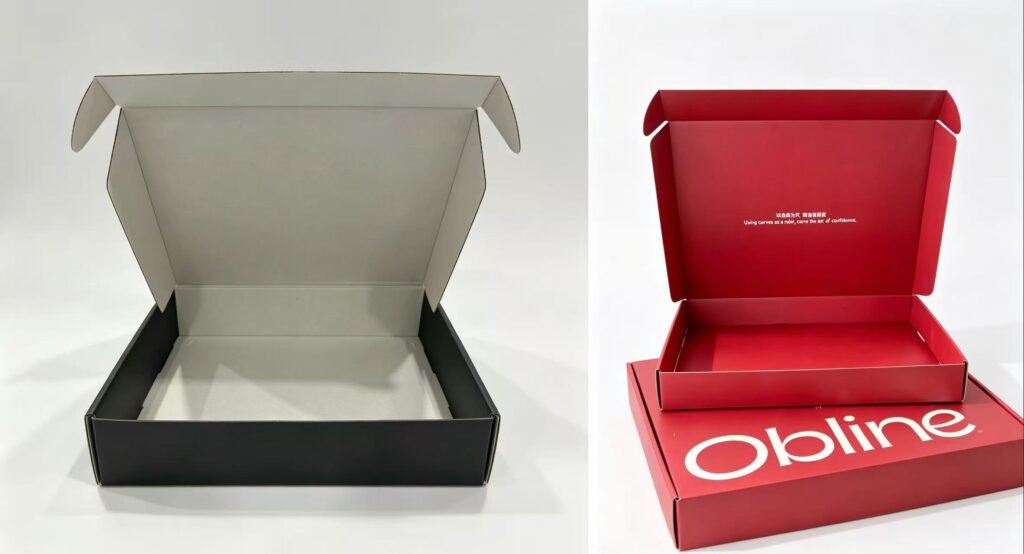
Here’s the part that matters for anyone actually placing an order: adding an interior print to an existing mailer box design is, in most cases, a modest cost increase rather than a full redesign. The die-line — the cut and fold structure of the box — doesn’t change at all. What changes is that the printing plate now covers both the outside panel and the inside panel of the same sheet, so the box goes through printing twice (or through a double-sided press pass) before it’s cut and folded.
A few practical points worth knowing before you brief a factory on this:
Spot color isn’t the cheaper option — it’s the more consistent one. It’s a common assumption that a simple one- or two-color interior design is automatically cheaper than a full-color print. In practice, it’s usually the opposite: spot (Pantone-matched) ink needs to be custom-mixed and run through its own press station, so each additional spot color adds cost. Four-color process (CMYK) printing, by contrast, uses a fixed set of four plates that can reproduce a wide range of colors in a single run — which often makes it the more economical choice once a design uses more than one or two colors. What spot color reliably delivers instead is color consistency: near-zero drift between print runs, which matters if an exact brand color needs to match precisely every time. The practical cost lever for interior printing is really the simplicity of the design and how many separations it needs — not whether the ink is spot or process.
Registration and fold-line placement matter more than people expect. Because the interior print sits on the same panel that later gets folded and glued into the box shape, the artwork needs a safe margin away from fold lines and glue tabs — otherwise part of the design either disappears into a seam or gets covered in adhesive. This is one of the more common back-and-forth points during proofing, and it’s worth asking your supplier to mark up the die-line with the exact printable area before finalizing artwork.
Ink choice depends on what’s inside the box. If the product itself will have direct or near-direct contact with the printed interior — food items, some cosmetics — the ink needs to be food-safe or low-migration, which is a different (and sometimes pricier) spec than standard packaging ink. It’s a detail that’s easy to overlook if the interior print is treated as a design afterthought rather than a production spec from the start.
What to Actually Put Inside the Box
The interior surface is small, so it’s worth being deliberate about what goes there rather than just repeating the exterior logo. A few directions that tend to perform well for repurchase specifically, rather than just aesthetics:
- A QR code or short link tied to a reorder discount. Placed where it’s naturally seen right after opening, this turns the print into a direct repurchase mechanism rather than pure branding.
- Usage or care information. For consumable or skincare products especially, printing usage tips or a “best used within” reminder inside the lid keeps the brand visible at the exact moment the customer is using the product again.
- A short brand story or founder note. This works well for brands where the story is part of the value proposition — it’s read once, but it’s read at a moment when attention is genuinely on the brand rather than skimmed in an ad.
- A simple illustrated pattern or line art. When there’s no specific message to deliver, a clean visual moment still does the job of making the box feel considered rather than generic.
The common thread across all of these is that they’re designed for the one customer who’s already holding the box — which is a very different, and often more valuable, audience than the one an exterior design is trying to reach.
Worth the Small Cost Increase?
For a brand with an established mailer box and a marketing budget aimed at retention rather than just first-time acquisition, interior printing tends to be one of the better-value additions available — it doesn’t require new tooling, it doesn’t change your box dimensions or shipping costs, and it directly targets the repeat-purchase moment rather than the first-impression moment the exterior is already handling.
If you’ve got an existing mailer box design and want to know what a double-sided print upgrade would actually cost and what it would look like on your specific die-line, send it over — we can mark up the printable interior area and put together a quote alongside a physical sample, so you can see the reveal effect in hand before committing to a production run.
[Contact Us Today to Request a Custom Packaging Consultation and Free Material Samples]
I am available 24/7 to support your brand’s growth!